
Classic South India Tour
- Home
- 14 Days Classic South India Tour
Classic South India Tour 14N/15D
- Destinations : Chennai - Mahabalipuram - Pondicherry - Chidambaram - Kumbakonam - Thanjavur - Chettinad - Madurai - Thekkady - Alleppey - Kochi
- Pickup Location : Chennai International Airport (MAA)
- Drop Location : kochi International Airport & and hotel
- Tour Duration : 14 Nights / 15 Days
Tour Overview
South India rewards travellers who take their time.
This 14-day Classic South India Tour takes you through the two most culturally rich states in the country: Tamil Nadu and Kerala. You travel in your own private air-conditioned car with a dedicated English-speaking driver. No group departures. No fixed bus schedules. You control the pace.
The tour starts in Chennai and moves south through a sequence of places that each offer something completely different. Mahabalipuram has UNESCO-listed rock temples carved from granite boulders by the sea. Pondicherry has French colonial streets and one of the most peaceful ashrams in India. Thanjavur has the Brihadeeswarar Temple, a 1,000-year-old Chola masterpiece that remains one of the finest buildings ever constructed in Asia. Madurai has the Meenakshi Amman Temple, a living, breathing religious complex visited by thousands of pilgrims every day.
Then you cross into Kerala. Wildlife and forests in Periyar. Tea gardens and mountain air in Munnar. A night on a traditional houseboat in the backwaters of Alleppey. And finally, Kochi, a port city where Portuguese churches, Dutch palaces, Jewish synagogues, and Chinese fishing nets all stand within walking distance of each other.
Route: Chennai to Mahabalipuram to Pondicherry to Thanjavur to Madurai to Periyar to Munnar to Alleppey to Kochi
Tour Highlights
- Explore the UNESCO-listed rock temples and Shore Temple at Mahabalipuram
- Walk through the French Quarter and Aurobindo Ashram in Pondicherry
- Visit the Brihadeeswarar Temple in Thanjavur, a UNESCO World Heritage Site built in 1010 AD
- Stop at Gangaikonda Cholapuram and the temples of Kumbakonam en route
- Witness the evening aarti at Madurai’s Meenakshi Amman Temple
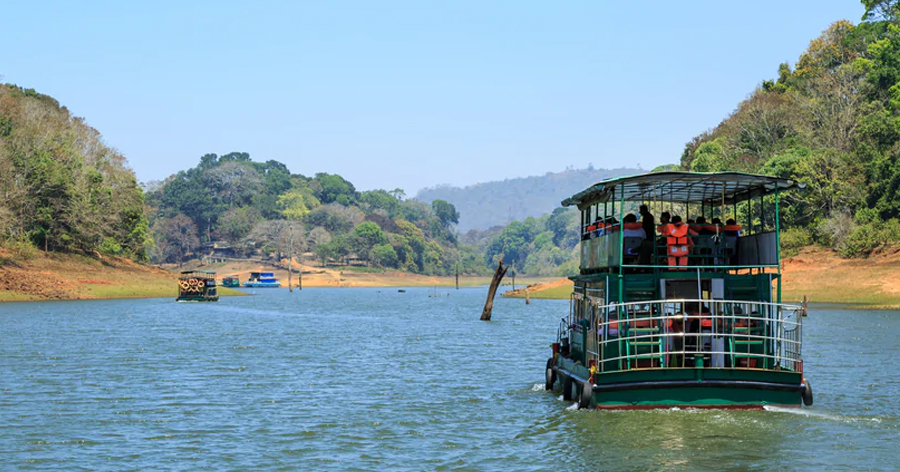
- Take a boat cruise on Periyar Lake and spot elephants, bison, and birds
- Walk through working spice plantations in Thekkady
- See Nilgiri Tahr at Eravikulam National Park in Munnar
- Ride the Nilgiri Mountain Railway toy train in the Western Ghats (optional)
- Spend a night on a traditional Kerala houseboat in Alleppey
- Explore Fort Kochi, Mattancherry Palace, the Jewish Synagogue, and Chinese Fishing Nets
- Watch a live Kathakali dance performance in Kochi
- Travel in a private car with a dedicated English-speaking driver throughout
Tour Itinerary
Day 1: Arrival in Chennai
Your Classic South India Tour begins at Chennai International Airport. Our driver meets you at the arrivals hall with a name board and transfers you to your hotel in a private air-conditioned car.
Chennai is Tamil Nadu’s capital and one of India’s largest cities. It has been a major port and trading centre for over 400 years, and that history is still visible in its architecture, its markets, and its temples. Depending on your arrival time, your driver takes you for an evening walk along Marina Beach, one of the longest urban beaches in the world, where the seafront promenade stretches for 13 kilometres along the Bay of Bengal.
Overnight: Chennai
Day 2: Chennai Sightseeing
A full day to explore Chennai at a comfortable pace.
Start at Kapaleeshwarar Temple in the old neighbourhood of Mylapore. This Dravidian temple dedicated to Lord Shiva has a towering painted gopuram and an active temple tank, and the morning rituals here give you an immediate sense of how deeply religious life in Tamil Nadu is woven into daily existence.
From Mylapore, drive to Fort St. George, built by the British East India Company in 1644. This was the first English fort in India. Inside the compound you find the Fort Museum, with one of the better collections of colonial-era artefacts in South India, and St. Mary’s Church, built in 1680, the oldest Anglican church in Asia.
Spend the afternoon at the Government Museum on Pantheon Road, which holds an outstanding collection of South Indian bronzes from the Chola, Pallava, and Vijayanagara periods. This collection is worth at least two hours and gives you strong visual context for the temple art you will see throughout the tour.
Overnight: Chennai
Day 3: Chennai to Mahabalipuram
Drive south from Chennai along the East Coast Road (ECR) to Mahabalipuram, 60 kilometres away. The drive takes about 90 minutes and runs along the coast with sea views for much of the way.
Mahabalipuram, also known as Mamallapuram, is a UNESCO World Heritage Site. The Pallava dynasty built this extraordinary collection of rock-cut temples, monolithic rathas, and relief carvings here in the 7th and 8th centuries AD, and they remain among the most impressive examples of early Dravidian architecture in existence.
Shore Temple: A twin-towered granite temple on the seafront, built in the 8th century, one of the oldest structural temples in South India. The setting beside the ocean is extraordinary and dawn is the best time to visit.
Arjuna’s Penance: A massive bas-relief carved on a single rock face measuring 27 metres wide and 9 metres tall. It depicts scenes from the Mahabharata with hundreds of figures including gods, celestial beings, animals, and humans. It is one of the largest open-air rock reliefs in the world.
Pancha Rathas: Five monolithic temple chariots carved from single granite outcrops, each in a different architectural style. The level of detail in the carving is remarkable.
Krishna’s Butter Ball: A large natural boulder balanced on a smooth slope that has defied gravity and curious kings for over 1,300 years.
After Mahabalipuram, a short 30-minute drive takes you to Kanchipuram, one of the seven sacred cities of Hinduism. Known as the City of Thousand Temples, Kanchipuram was the capital of the Pallava empire and today has over 100 functioning temples. The Kailasanathar Temple, built in the early 8th century, is the oldest and most architecturally significant. Kanchipuram is also the source of the most prized silk saris in India; a visit to a weaving workshop is worth the time.
Overnight: Mahabalipuram
Day 4: Mahabalipuram to Pondicherry
Drive south to Pondicherry (approximately 2 hours, 100 kilometres). The route follows the East Coast Road with the Bay of Bengal visible to the left.
Pondicherry was a French colony from 1674 until 1954, and the French influence is still very present in the architecture, the street names, the food, and the general pace of life in the White Town area.
Arrive in Pondicherry and check in. Spend the afternoon walking through the French Quarter. The streets here are painted in mustard yellow and colonial white, lined with bougainvillea and ornate iron balconies. The Promenade Beach runs along the seafront, and the War Memorial and several French-era buildings face the ocean.
Visit the Sri Aurobindo Ashram, founded in 1926. The ashram is an active spiritual community and a place of genuine calm. The samadhi of Sri Aurobindo and The Mother in the central courtyard draws thousands of visitors every year. The atmosphere is quiet and reflective, quite different from the temple towns of Tamil Nadu.
In the evening, dine at one of the French-influenced restaurants on Rue Suffren or Rue Dumas in the White Town.
Overnight: Pondicherry
Day 5: Pondicherry and Auroville
A full day in Pondicherry and its surroundings.
In the morning, visit Auroville, the international township and spiritual community founded in 1968 by Mirra Alfassa, known as The Mother. Auroville is home to approximately 3,000 people from over 50 countries and operates as an experiment in human unity and sustainable living. The centrepiece is the Matrimandir, a large golden sphere used for silent concentration. The visitor centre has an exhibition on the history and vision of Auroville and the surrounding township.
Return to Pondicherry for the afternoon. Visit the Pondicherry Museum on Saint Louis Street, which holds a good collection of Pallava and Chola sculptures, French colonial furniture, and historical photographs of the territory. Walk through Jawaharlal Nehru Street in the Tamil Quarter for local market shopping.
Overnight: Pondicherry
Day 6: Pondicherry to Thanjavur via Chidambaram and Kumbakonam
This is a long driving day with several important stops, covering approximately 220 kilometres over 5 to 6 hours with stops.
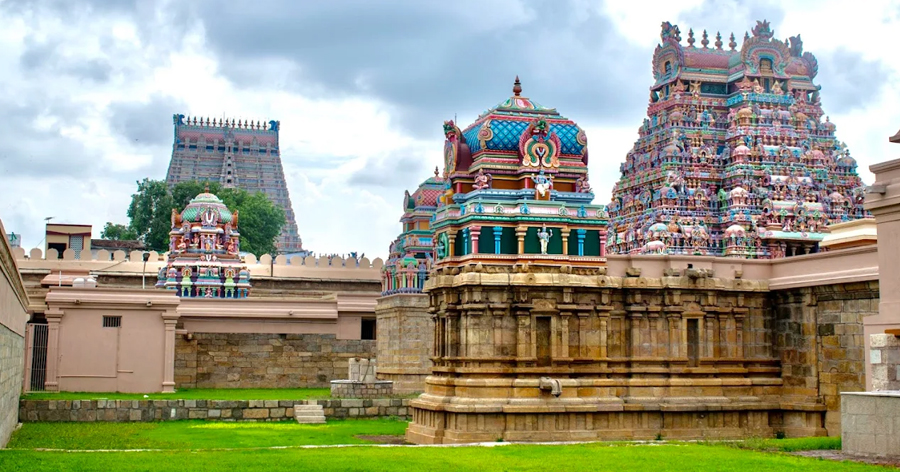
First stop: Chidambaram. The Nataraja Temple here is one of the most sacred Shaivite temples in India and one of the Pancha Bhuta Stalas, representing the element of Akasha (space or ether). The temple covers 40 acres and its four gopurams are covered with thousands of carved figures. The inner sanctum, with its gold-roofed ceiling and the famous depiction of Shiva as Nataraja (the cosmic dancer), is deeply impressive.
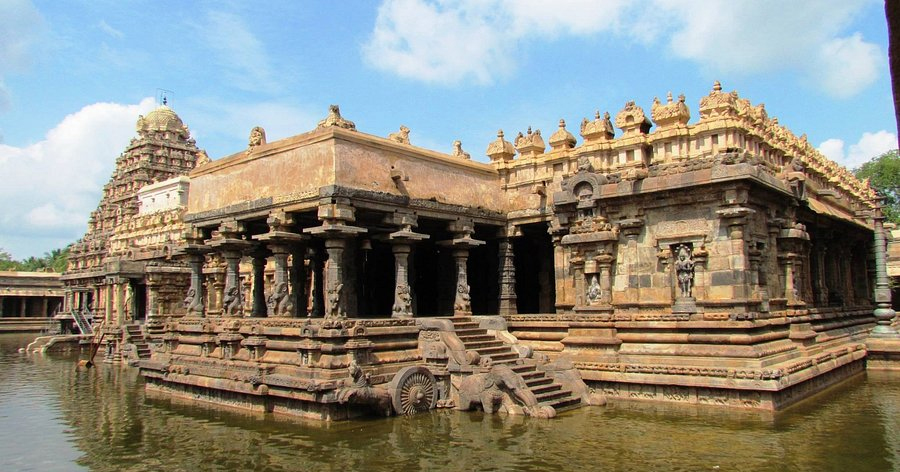
Second stop: Kumbakonam. This temple town on the banks of the Kaveri River is one of the most concentrated religious centres in South India. The Airavatesvara Temple in nearby Darasuram, a UNESCO World Heritage Site built by the Chola king Rajaraja II in the 12th century, is the highlight. The temple’s stone carvings include musical steps that produce different tones when struck, and the craftsmanship throughout the complex is extraordinary.
Arrive in Thanjavur in the late afternoon.
Overnight: Thanjavur
Day 7: Thanjavur Sightseeing
Thanjavur is the cultural capital of Tamil Nadu. The Chola dynasty ruled from here and used their wealth and power to create some of the finest art and architecture in Indian history.
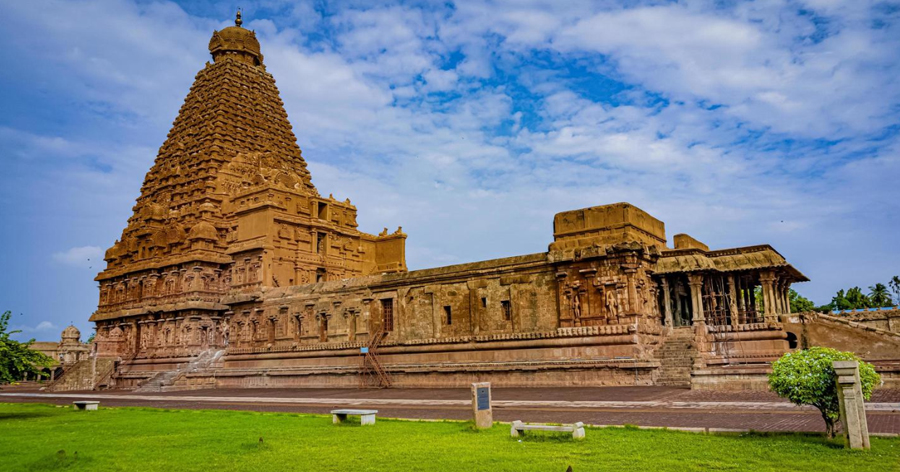
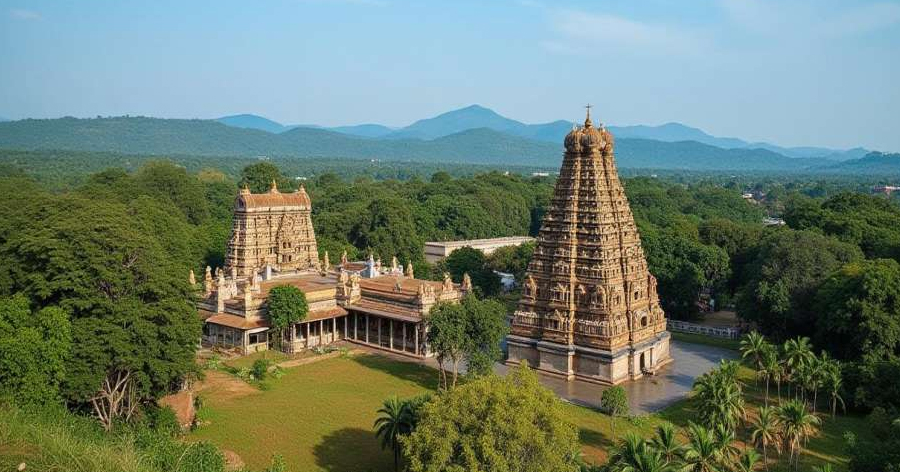
The Brihadeeswarar Temple (also called the Big Temple) is the centrepiece of any visit to Thanjavur. Built by Emperor Raja Raja I and completed in 1010 AD, it is a UNESCO World Heritage Site and one of the most impressive buildings in Asia. The vimana rises to 66 metres, making it the tallest temple tower in India at the time of its construction. The monolithic Nandi bull at the entrance weighs 25 tonnes. The inner walls carry some of the finest Chola-era frescoes in existence. Allow at least 2 hours here.
From the temple, visit the Saraswathi Mahal Library, one of the oldest libraries in Asia. It holds over 49,000 manuscripts in Tamil, Telugu, Marathi, Sanskrit, and European languages, some dating to the 16th century. The exhibition gallery displays rare illustrated manuscripts and medical texts.
The Thanjavur Royal Palace and Art Gallery holds a superb collection of Chola bronzes and granite sculptures from the 9th to 12th centuries. The bronzes here, depicting Nataraja, Parvati, and various forms of Vishnu, are considered among the finest bronzes ever made anywhere in the world.
Overnight: Thanjavur
Day 8: Thanjavur to Madurai via Chettinad
Drive from Thanjavur to Madurai (approximately 4 hours, 170 kilometres). En route, pass through the Chettinad region.
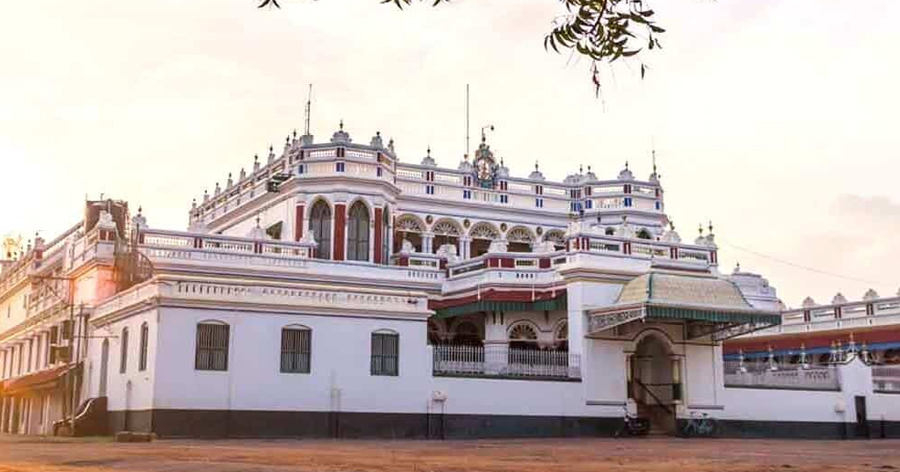
Chettinad is one of the most distinctive cultural regions in South India. The Nattukotai Chettiars, a merchant community whose trade networks stretched across Southeast Asia in the 18th and 19th centuries, built extraordinary mansion houses here with Italian marble floors, Belgian crystal chandeliers, hand-carved teak woodwork, and Athangudi hand-made tiles. The mansions of Kanadukathan village are the finest examples. Stop for 60 to 90 minutes to walk through the village lanes.
Arrive in Madurai in the afternoon. Madurai is one of the oldest continuously inhabited cities in the world, with a documented history of over 2,500 years. The city has been a centre of Tamil language, literature, and culture since ancient times.
Overnight: Madurai
Day 9: Madurai Sightseeing
The Meenakshi Amman Temple is the reason most travellers come to Madurai, and it fully justifies the journey. Dedicated to Goddess Meenakshi (a form of Parvati) and her consort Sundareshwar (Shiva), this is one of the most visited Hindu temples in the world. It covers 6 hectares in the heart of the old city and has 14 gopurams, each covered with thousands of painted stucco figures in brilliant colours. The tallest rises to 52 metres.
Visit the temple in the morning when the light is good for photography and the crowds are manageable. The 1,000-Pillar Hall inside the temple complex is now a museum of temple art. The Ashta Shakti Mandapam (Hall of Eight Goddesses) at the eastern entrance is one of the finest carved halls in Tamil Nadu.
In the evening, return to the temple for the Alankara Darshan or Palliarai ceremony, held each night between 9 PM and 10 PM, when the deity of Lord Sundareshwar is ceremonially carried in procession to the shrine of Goddess Meenakshi. This is one of the most atmospheric religious ceremonies in India and watching it leaves a lasting impression.
Also visit Thirumalai Nayak Palace, built in 1636 by the Nayak king Thirumalai. The main hall (Swarga Vilasam) has a vaulted ceiling rising 18 metres, built with limestone, egg white, and powdered shells without the use of steel or timber. There is a sound and light show in the evenings.
Overnight: Madurai
Day 10: Madurai to Periyar (Thekkady)
Drive from Madurai to Periyar, also known as Thekkady (approximately 4 hours, 140 kilometres). The road climbs steadily through the Western Ghats, passing through cardamom and pepper plantations as you rise into the cooler forest zone of Kerala.
Periyar National Park and Wildlife Sanctuary covers 925 square kilometres of forest and is one of the best-managed wildlife reserves in South India. The park was established as a wildlife sanctuary in 1934 and became a Tiger Reserve in 1978. It is home to elephants, tigers, leopards, Indian bison (gaur), sambar deer, wild boar, lion-tailed macaques, and an exceptional variety of birds.
Arrive at Thekkady in the afternoon and check in. In the late afternoon, walk through the spice markets of Kumily, the town at the park entrance, where fresh cardamom, pepper, cloves, cinnamon, and nutmeg are sold from open sacks. The smells here are extraordinary and the prices are significantly lower than anywhere in the city.
Overnight: Periyar (Thekkady)
Day 11: Periyar Wildlife Sanctuary and Spice Plantation
Today is spent entirely in and around the Periyar National Park.
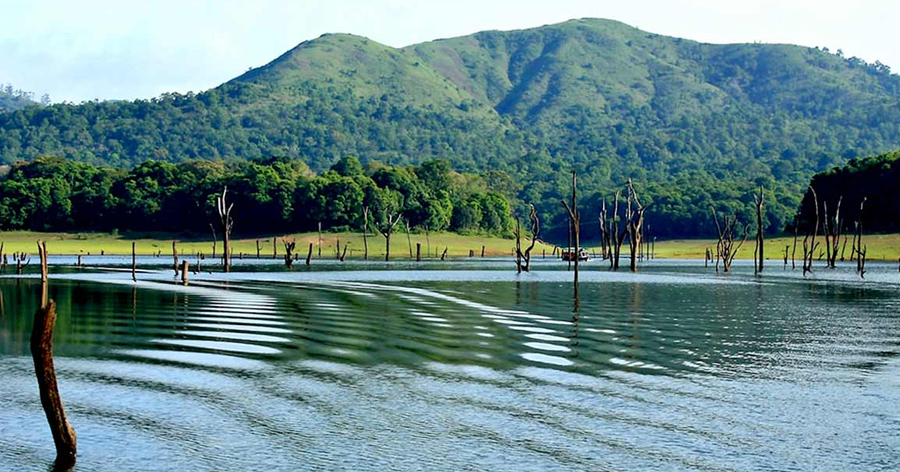
Begin with the morning boat cruise on Periyar Lake. The Kerala Forest Department operates shared and private boat cruises that depart at 7:30 AM and 9:30 AM. The lake was created in 1895 when the British built the Mullaperiyar Dam, and the forest grew back around the water over the following decades. Today the lake sits in the heart of the sanctuary and the boat cruise takes you through the forest by water.
Elephants come to the lakeshore regularly to drink and bathe. Herds of Indian bison can be seen in the grasslands at the water’s edge. Sambar deer, wild boar, otters, and kingfishers are commonly spotted. On good days, the cruise is extraordinary. Even on quieter days, the forest scenery and the silence broken only by birdcalls makes the experience worth the early start.
After the cruise, visit a working spice plantation. The plantations around Thekkady grow cardamom, black pepper, cloves, cinnamon, nutmeg, coffee, and vanilla. A guided walk with a plantation worker explains how each spice is grown, harvested, and dried. You walk through rows of cardamom plants in the shade of taller trees, past pepper vines climbing up support poles, and through a coffee grove. At the end of the walk, you taste freshly brewed cardamom tea.
Optional activity: Kalarippayattu martial arts demonstration. Kerala’s ancient form of martial arts, which some scholars consider the oldest codified fighting system in the world, is performed at several venues near Thekkady in the evenings. The performance is athletic, precise, and genuinely impressive.
Optional activity: Bamboo rafting on Periyar Lake with tribal guides. This takes you into the shallower areas of the lake through dense forest. The pace is slow and the access to wildlife is closer than on the motor boats.
Overnight: Periyar (Thekkady)
Day 12: Periyar to Munnar
Drive from Periyar to Munnar (approximately 3 to 4 hours, 110 kilometres). The road climbs continuously through the Western Ghats, rising from around 900 metres at Thekkady to over 1,600 metres as you approach Munnar. The scenery along this route is extraordinary. Dense shola forests line the road for much of the climb, giving way to rolling grasslands and then to the first of the tea estates as you approach Munnar.
Stop at Cheeyappara Waterfall and Valara Waterfall on the way. Both cascade down the steep hillside beside the road. During and after the monsoon months the falls are powerful and spectacular.
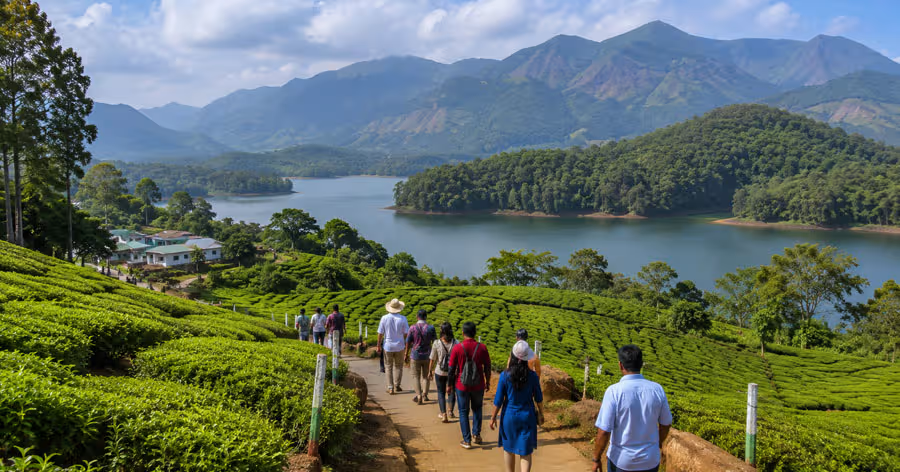
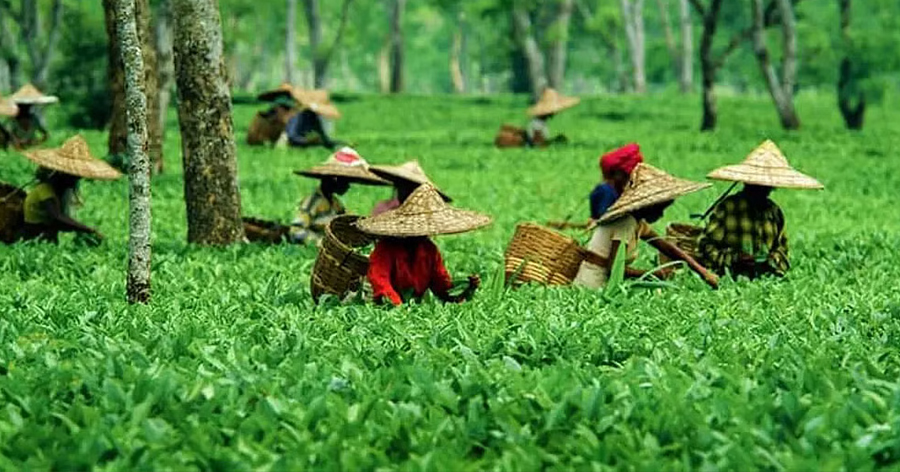
Arrive in Munnar in the early afternoon. Munnar sits at the junction of three mountain rivers and is surrounded on all sides by tea estates that cover every hillside in a dense, trimmed green carpet. The air is cool, clean, and scented with tea. The contrast with the heat of Tamil Nadu is immediately noticeable and welcome.
Spend the late afternoon walking through the tea gardens nearest to town. The Tata Tea plantations around Munnar are some of the oldest in India, established in the 1880s and 1890s during the British colonial era.
Overnight: Munnar
Day 13: Munnar Sightseeing
A full day in the hills of Munnar.
Start at Eravikulam National Park, approximately 15 kilometres from Munnar town. The park is the stronghold of the Nilgiri Tahr, a species of mountain goat that is endemic to the Western Ghats and listed as vulnerable. The animals here are habituated to human presence and often graze within a few metres of visitors on the open grasslands. The park also holds gaur, sambar deer, leopards, and over 100 species of birds. The grassland and shola forest scenery at this altitude (around 2,000 metres) is beautiful.
The park sometimes closes during the calving season between February and March. Confirm availability before visiting.
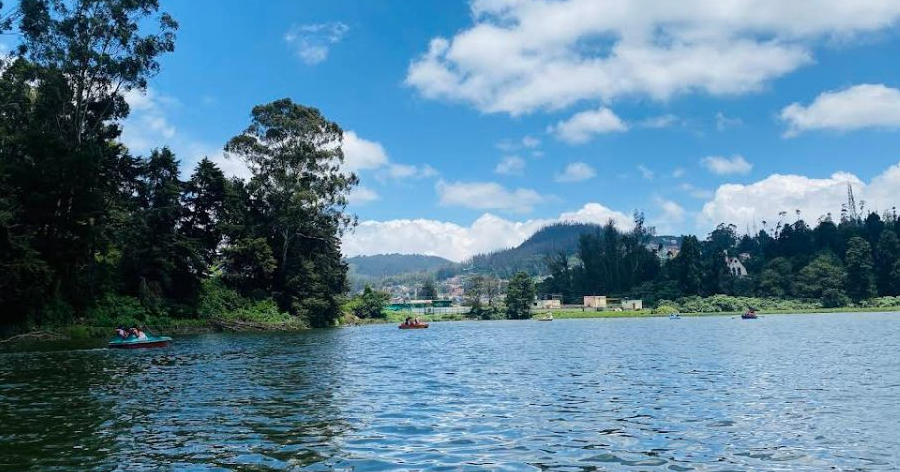
From Eravikulam, drive to Mattupetty Dam and Lake, a reservoir set among forested hills about 13 kilometres from Munnar. The lake is used for fishing, and boating is available. Wildlife including elephants and bison are sometimes spotted at the water’s edge, particularly in the early morning.
Continue to Top Station, the highest point accessible by road in the Munnar area at 1,868 metres above sea level. On a clear day the views stretch across the hills into Tamil Nadu. The drive to Top Station passes through some of the most scenic tea estate country in Kerala.
Visit the Tea Museum in Munnar town, operated by the Tata Tea company. The museum explains the full process of tea cultivation and production with original machinery from the colonial era. Several varieties of fresh Munnar tea are available for tasting at the museum shop.
Overnight: Munnar
Day 14: Munnar to Alleppey (Alappuzha) and Houseboat Stay
Drive from Munnar down through the hills toward the Kerala plains and then southwest to Alleppey (approximately 4 to 5 hours, 165 kilometres). The descent from Munnar through the Western Ghats is as scenic as the climb. The landscape changes from mountain tea gardens to rubber plantations to coastal coconut groves as you lose altitude.
Alleppey, officially called Alappuzha, is the gateway to the Kerala backwaters. The town itself is built on a network of canals and sits at the edge of Vembanad Lake, the largest lake in Kerala. The surrounding backwater system covers over 900 kilometres of interconnected canals, lagoons, and rivers that run parallel to the Kerala coast.
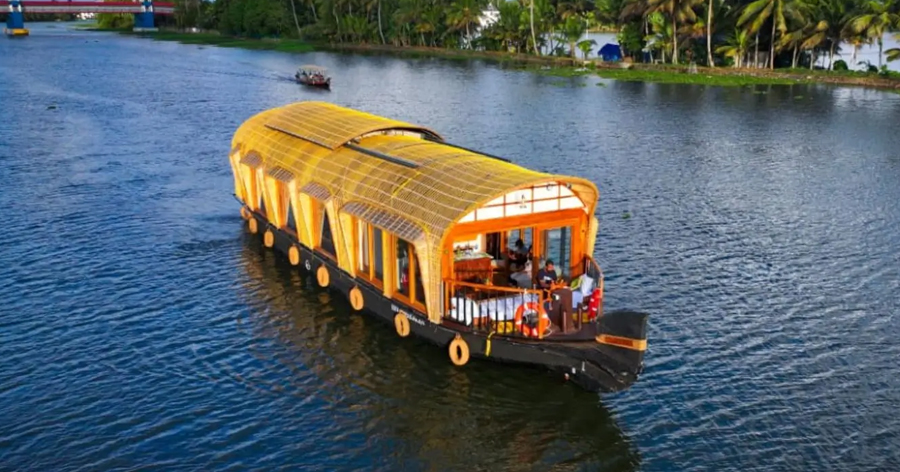
Your houseboat is a converted traditional rice barge, called a Kettuvallam. These boats carried rice along the Kerala canals for centuries. Today they are fitted with comfortable bedrooms, an attached bathroom with hot water, an open deck for sitting and watching the scenery, and a kitchen where your crew prepares all meals. The crew typically consists of a captain, a helper, and a cook.
You board the houseboat in the early afternoon. For the rest of the day, the boat moves through a combination of open lake water and narrow canals. The scenery shifts constantly. Open stretches of Vembanad Lake with wide views give way to narrow village canals where the trees almost meet overhead and village life unfolds along both banks. Fishermen cast hand nets from dugout canoes. Women carry water pots from the canal steps. Children wave from wooden bridges.
Meals on board are fresh and typically Kerala in character: rice, fish curry, coconut sambar, vegetable stir-fries, pappadum, and fresh fruit. Everything is cooked to order on board.
The boat moors for the night at a quiet spot on the canal. With the engine off, the sounds of the water, frogs, and birds replace the noise of the road. The night sky over the backwaters, away from city lights, is clear and full of stars.
Overnight: Alleppey Houseboat
Day 15: Alleppey to Kochi and Departure
Disembark after breakfast on the houseboat. Drive to Kochi (approximately 1.5 hours, 85 kilometres).
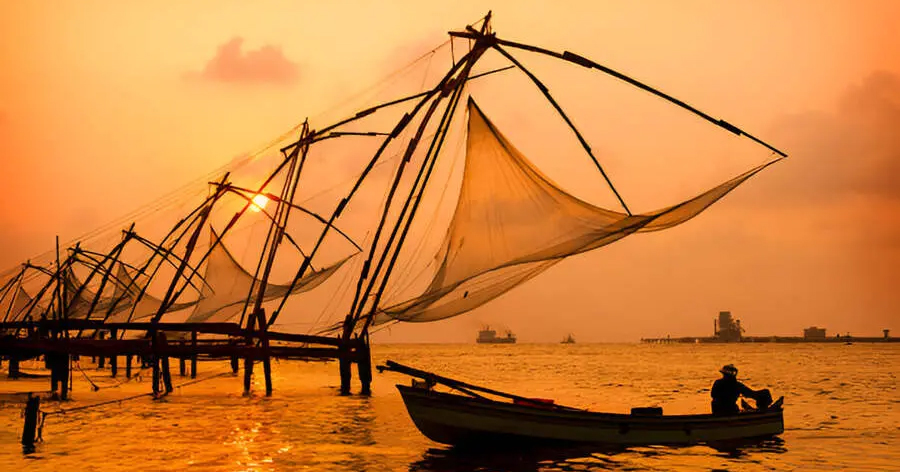
If your flight departs in the afternoon or evening, there is time to spend a morning in Fort Kochi. Your driver takes you directly to the Fort Kochi waterfront. The Chinese Fishing Nets are visible from the road as you enter the peninsula. These large cantilevered nets, introduced to Kochi by Chinese traders during the reign of Kublai Khan in the 14th century, are operated by local fishermen and are one of the most photographed sights in Kerala.
Walk from the fishing nets to St. Francis Church, built in 1503 and the oldest European church in India. Vasco da Gama, who opened the sea route from Europe to India, died in Kochi in 1524 and was originally buried here. His grave slab is still visible inside the church.
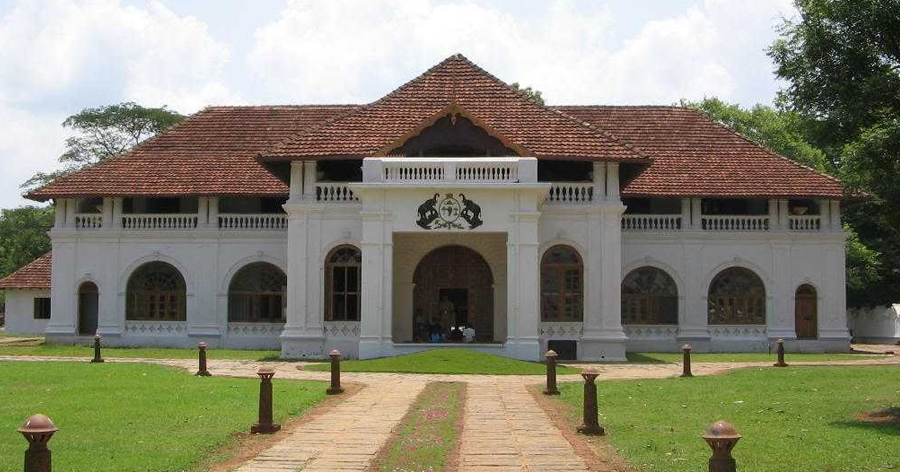
From Fort Kochi, drive to Mattancherry to visit the Dutch Palace (Mattancherry Palace), built by the Portuguese in 1555 and later renovated by the Dutch. The interior walls carry some of the finest Kerala mural paintings in India, depicting scenes from the Ramayana and Mahabharata in vivid, detailed colour. The paintings date from the 16th to 18th centuries.
Walk from the palace to Jew Town to visit the Paradesi Synagogue, built in 1568. The floor is covered with hand-painted Chinese tiles, each slightly different. The Venetian glass chandeliers, the brass oil lamps, and the painted wooden pulpit make the interior extraordinary.
In the evening, if time permits, watch a live Kathakali dance performance at Kerala Kathakali Centre or Greenix Village. Arrive early to watch the elaborate makeup application.
Your driver transfers you to Kochi International Airport for your onward flight.
End of Tour: Kochi
Inclusions
- A private, air-conditioned car with your own dedicated driver
- Private AC vehicle for all transfers and sightseeing as per itinerary.
- Handpicked hotels matched to your comfort level and budget
- All road travel, fuel, tolls, and parking charges
- Airport pick-up in Chennai and drop-off in Cochin
- Support by phone and WhatsApp throughout your trip
Exclusions
- Any flight or train tickets.
- Lunch and dinner, except on the houseboat.
- Monument/temple entry fees, camera, boating and optional activities.
- India travel visa
- Houseboat upgrade charges (if applicable)
- Personal expenses, tips, porterage and travel insurance.
- Anything not mentioned under “Inclusions”.
- Travel insurance (strongly recommended)
FAQs
What is the Classic South India Tour?
The Classic South India Tour is a 13-night, 14-day private journey through the most important cultural and natural destinations in Tamil Nadu and Kerala. The route covers Chennai, Mahabalipuram, Pondicherry, Thanjavur, Madurai, Periyar, Munnar, Alleppey, and Kochi. You travel in your own private car with a dedicated English-speaking driver throughout.
How many days do I need for a South India tour?
Fourteen days covers the essential South India circuit at a comfortable pace. If you have fewer days available, a 10-day version focusing on Tamil Nadu or a 7-day Kerala-only tour is available. If you have more time, we recommend adding Mysore and Hampi for a more complete experience of South India.
Is this South India tour fully private?
Yes. You travel in your own car with your own driver and never share the vehicle with other travellers. There are no fixed group departure dates. You set the pace and the itinerary adjusts to your preferences.
What is the best time to do the Classic South India Tour?
October to March is the best time for this tour. November, December, and January offer the most reliable weather across both Tamil Nadu and Kerala. The temperatures are comfortable, the skies are clear, and most festivals including Pongal in Tamil Nadu fall in this period. Avoid June and July when the southwest monsoon brings heavy rain to Kerala and the Western Ghats.
What is included in the houseboat experience in Alleppey?
Your houseboat is a private traditional Kerala Kettuvallam with one or two bedrooms, attached bathrooms with hot water, an open observation deck, and a fully equipped kitchen. A crew of two or three manages the boat. All meals including lunch, dinner, and the following morning’s breakfast are freshly prepared on board. Premium houseboats with air-conditioned cabins are available on request.
Can I see wildlife at Periyar National Park?
Yes. The morning boat cruise on Periyar Lake regularly produces sightings of wild elephants, Indian bison, sambar deer, wild boar, and a wide variety of birds including hornbills, kingfishers, and eagles. Tiger sightings are rare on the lake cruise but possible on guided forest treks. The best time for wildlife viewing at Periyar is the dry season between December and April when animals gather near the lake.
What is the Brihadeeswarar Temple in Thanjavur?
The Brihadeeswarar Temple is a UNESCO World Heritage Site built by the Chola emperor Raja Raja I, completed in 1010 AD. The vimana (tower) rises to 66 metres and is made entirely of granite without the use of mortar. The temple complex includes a 25-tonne monolithic Nandi bull, Chola-era frescoes, and some of the finest stone carvings in India. It is one of the most architecturally significant buildings in Asia and a centrepiece of this tour.
Can I customise the Classic South India Tour?
Yes. Every tour we run is tailor-made to your dates, interests, and budget. You can add extra nights in any destination, include additional sites such as Mysore or Hampi, upgrade hotel categories, or adjust the pace of travel. Contact us with your travel dates and we send a personalised itinerary within 24 hours.
How much does the South India Tour cost?
The price depends on your group size, travel dates, hotel category, and specific requirements. Contact us with your details and we send a full itemised quote within 24 hours. There is no booking fee and no obligation to receive a quote.
Quick Tour Enquiry
Tour Packages